Posture and body awareness
We start standing: feeling your footing, your axis, the way your body holds itself.
The art of reconnecting breath and movement. A gentle body practice, born from the martial arts, that releases tension in depth, without pain and without effort.
A sequence of slow, easy movements, synchronised with the breath, that goes through the whole body in a precise order, to release it and then re-energise it.
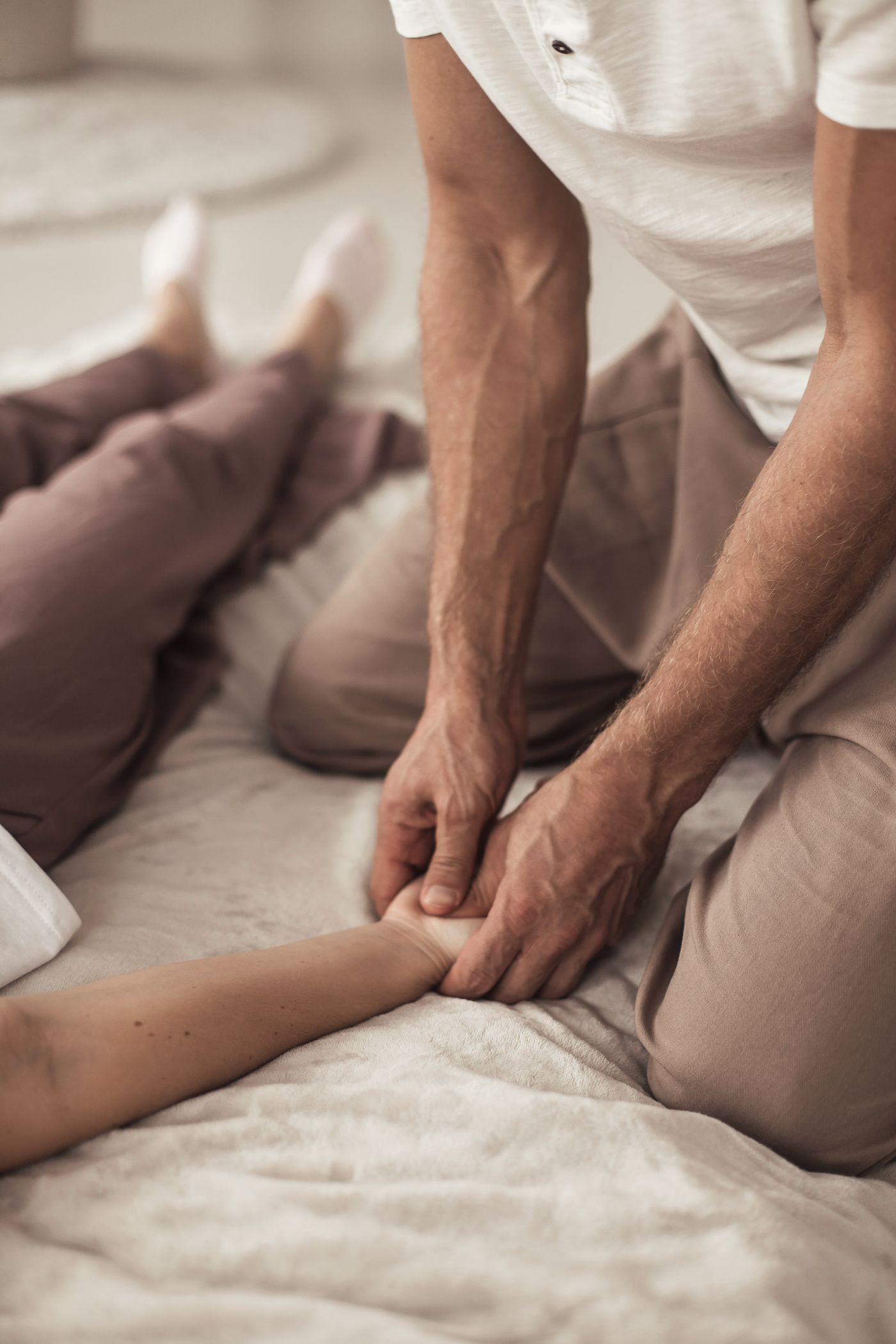
The method was created in the 1990s by Pierre Pyronnet, who has practised martial arts for more than 35 years. His starting point: martial arts warm-ups, done in slow motion, do a world of good.
It also draws on tai chi chuan, qi gong and yoga, and shares some principles with the Mézières method. It has 33 exercises, organised in 9 stages.
I learned the method directly from Pierre, and I am a technician in Bio-dynamic Relaxation.
Every day, stress builds up and settles in the body, often in the same places. Over time, these tensions leave their imprint: we stop feeling them, we get used to them.
Bio-dynamic Relaxation undoes this chain. By gently working up through the muscles and joints at the rhythm of the breath, the body lets go of what it was holding. What the body has impressed, movement can finally express.
It is not stretching: nothing is forced. It is a re-harmonisation, in which the body finds its natural rhythm, its breath and its fluidity again. More yin than yang, closer to the infinitely subtle than to effort.
Thirty-three exercises, always in the same order. Each stage prepares the next.
We start standing: feeling your footing, your axis, the way your body holds itself.
Slow, wide movements loosen the major joints, without ever forcing.
The breath lengthens and settles onto the movement. Breathing finds its place again.
The spine unrolls and stretches gently, vertebra by vertebra.
Release comes in stages, three of them, down to deep relaxation.
Noticing your own tempo: of the breath, of the movement, of the pauses.
More dynamic movements wake up your energy and warm the body.
Inhabiting your whole body and the space around it, with wider movements.
Everything comes together: body, movement and breath move as one.
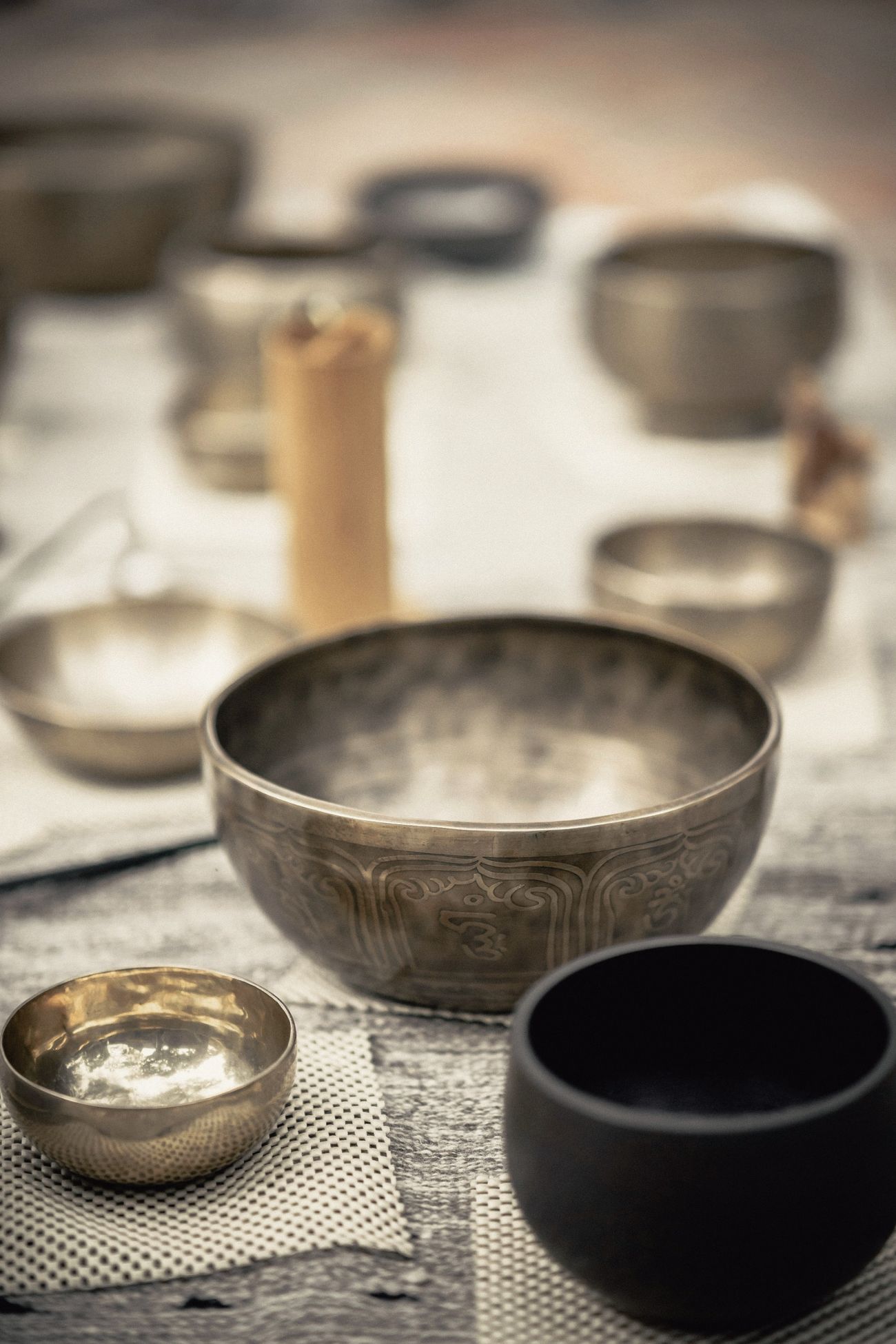
It all starts with the welcome: a herbal tea, and a moment to talk about how you feel, in your body and in your head, and what you would like to experience.
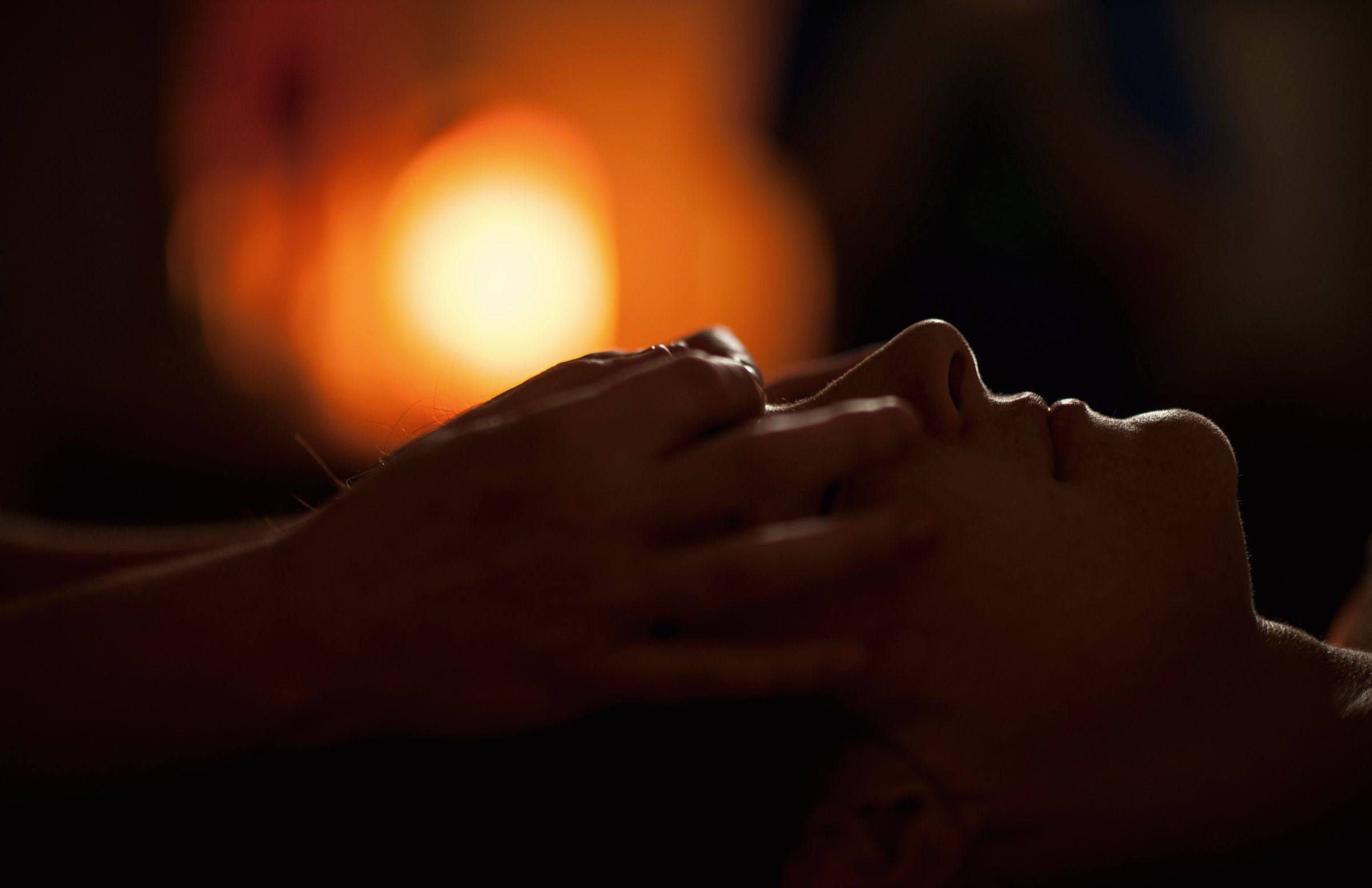
A very deep relaxation, often from the first session. A more supple body, better felt. A quieter mind. Sometimes emotions come up, even tears: they are welcome. And above all, a glimpse of a state of calm that you learn to find again by yourself.
No particular fitness is needed. Stressed people, athletes, seniors, the curious: everyone moves at their own pace.
“I am taking possession of myself again thanks to the connections being created with my mind.”
Bio-dynamic Relaxation is a method in its own right. It should not be confused with:
It is neither a medical treatment nor psychotherapy. I do not heal anyone: I help each person reconnect with themselves. Bio-dynamic Relaxation can complement medical or therapeutic care, never replace it.
“More than a look at ourselves, this attention to the body leads us to discover the world of our inner life and, at the same time, of openness to others…”
We start with a ten-minute call. You ask your questions, I explain how it works, and we choose a date together.
Free cancellation up to 48 hours before the session. Payment on the day, by TWINT or cash.